
To interview a freelancer before hiring, review their portfolio first, prepare freelancer interview questions that test real experience, process, and communication, then confirm scope, timeline, and payment terms before you commit. The strongest interviews focus on how a freelancer has solved problems like yours, not on rehearsed answers. Platforms like Talent Tasker make the final step safer by pairing businesses with vetted freelancers and releasing escrow funds only after agreed work is delivered.
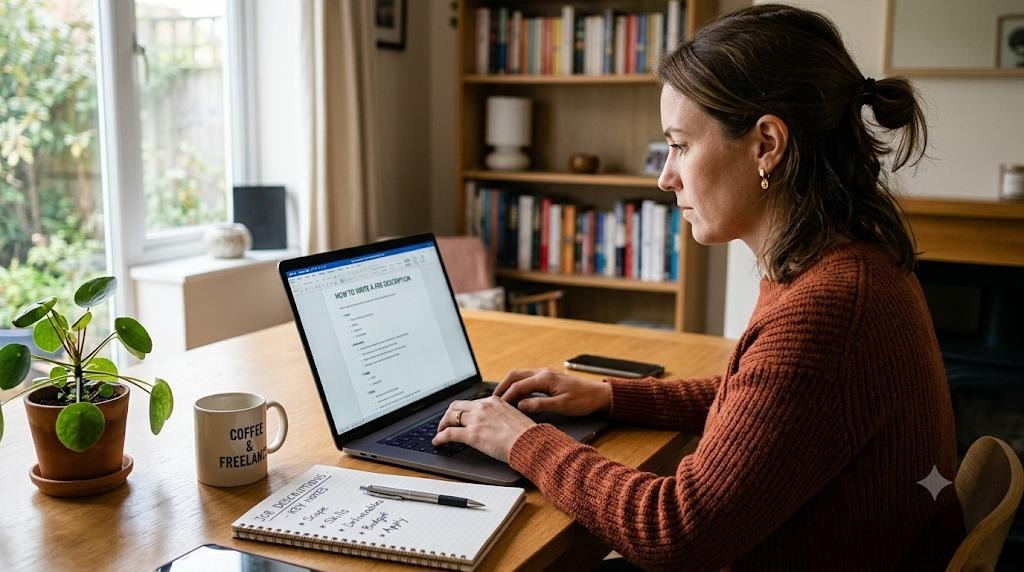
A short, structured conversation can save you weeks of rework. Before the interview, a clear freelance job description helps attract candidates who are suited to the project. This guide covers how to prepare for a freelancer interview, the questions to ask a freelancer by category, the red flags worth watching for, and what to do once you have found the right fit.
Why Does a Freelancer Interview Matter?
A freelancer interview is your chance to check what a profile or proposal cannot show on its own: how someone thinks, how they communicate, and whether they genuinely understand your project. A polished portfolio proves a freelancer can produce good work. An interview tells you whether they can produce good work for you, under your constraints and on your timeline.
It also protects both sides. Freelancers get the context they need to quote accurately, and you get a clearer picture of the effort involved before any money changes hands. Most failed freelance projects trace back to mismatched expectations, and a 20 to 30 minute conversation is the cheapest place to catch them.
How Should You Prepare for a Freelancer Interview?
Good interviews start before the call. A little preparation makes your questions sharper and your comparison between candidates fairer.
Step 1: Write a clear project brief
Outline the goal, the deliverables, the deadline, your budget range, and anything that is out of scope. Share it with the freelancer ahead of time so the call is spent on substance instead of basic explanations.
Step 2: Review the portfolio and proposal
Note two or three pieces of past work that look closest to your project. Asking about specific samples gets far more honest answers than asking someone to describe their experience in general terms.
Step 3: Decide what "good" looks like
List the three or four things that matter most for this hire, such as a specific tool, industry knowledge, speed, or communication style. Score every candidate against the same list so the decision is not driven by whoever was most charming on the call.
Step 4: Prepare your questions in advance
Pick a short set of questions from the categories below. You do not need all of them. Eight to ten well-chosen questions are enough for most short-term or project-based hires.
What Freelancer Interview Questions Should You Ask?
The best questions to ask a freelancer are open-ended and tied to real work. Group them by what you are trying to learn, and pay attention to how specific the answers are.
Questions about experience and skills
- "Can you walk me through a project similar to mine?" Listen for concrete details: the problem, their approach, the tools used, and the result.
- "Which piece in your portfolio was the most challenging, and why?" This shows self-awareness and how they handle difficulty.
- "What tools or platforms do you use for this type of work? For specialist marketing roles, you may also want to ask about Klaviyo automation, marketing automation, or demand generation." Make sure their stack matches yours, or that they can adapt quickly.
- "What results did your last client see from your work? For marketing hires, compare relevant experience such as ecommerce marketing or marketing consulting." Strong freelancers can connect their output to an outcome, even a modest one.
Questions about process and communication
- "How do you usually structure a project from start to finish?" A clear, repeatable process is a good sign of reliability.
- "How often will I hear from you, and through which channel?" Agree on update frequency now so silence never becomes a surprise.
- "What do you need from me to do your best work?" Good freelancers know which inputs, approvals, and access they will need.
- "How do you handle feedback and revisions?" Look for openness and a defined number of revision rounds.
Questions about scope, timeline, and budget
- "Based on my brief, what do you think is missing or unclear?" This is one of the most revealing freelancer interview questions, because it shows whether they actually read and understood your project.
- "How long will this take, and what could delay it?" Realistic estimates with named risks beat optimistic promises.
- "How would you break this project into milestones?" Their answer helps you set up milestone-based payments later.
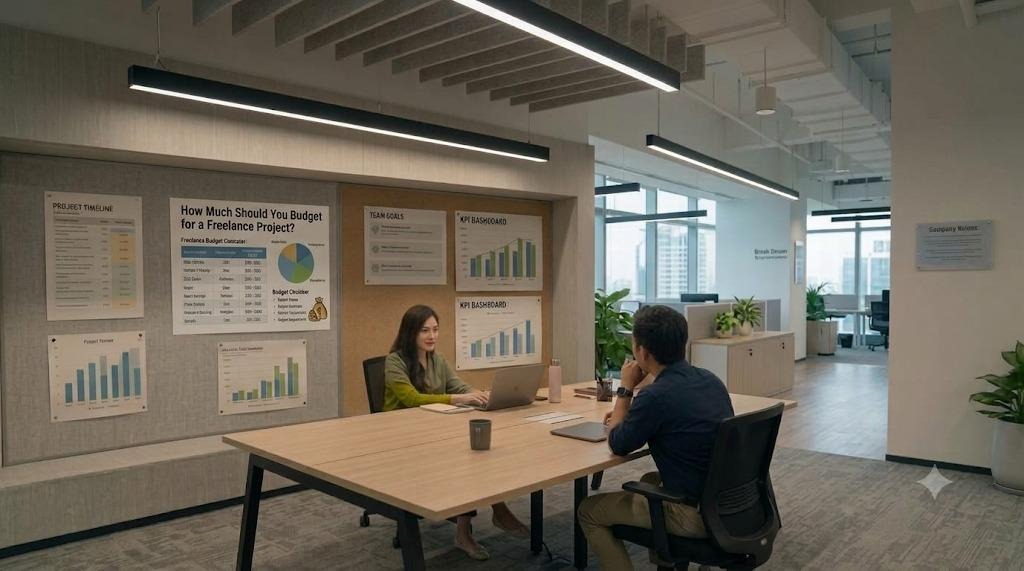
- "What is included in your quote, and what would cost extra? For more guidance, see how much to budget for a freelance project." Clarify revisions, rush fees, and out-of-scope requests upfront.
Questions about working style and problem-solving
- "Tell me about a project that went off track. What did you do?" Everyone hits problems. You want someone who communicates early and owns the fix.
- "What would you do if you disagreed with my direction?" The ideal answer balances honest pushback with respect for your final call.
- "How many projects are you handling right now?" This tells you whether they have real capacity for your deadline.
What Red Flags and Green Flags Should You Watch For?
How a freelancer answers often matters as much as what they say. Use this quick comparison during and after each freelancer interview.
| Area | Green Flag | Red Flag |
|---|---|---|
| Past work | Explains specific projects with clear results | Speaks only in vague, general terms |
| Understanding of brief | Asks clarifying questions and spots gaps | Has clearly not read your brief |
| Timeline | Gives a realistic estimate and names risks | Promises everything fast with no caveats |
| Pricing | Explains what is included and what is extra | Avoids specifics or changes the price often |
| Communication | Responsive, clear, and agrees on update cadence | Slow replies or unclear answers before hiring |
| Payment terms | Comfortable with milestones and protected payments | Insists on full payment upfront |
One red flag is not always a dealbreaker, but two or three together usually signal a project that will need constant chasing.
How Do You Run the Freelancer Interview Itself?
Keep the call short and structured. A simple flow for a 30-minute freelancer interview looks like this:
- Minutes 0 to 5: Context. Summarize the project and confirm they have read the brief.
- Minutes 5 to 20: Core questions. Work through your prepared questions, starting with their most relevant past project.
- Minutes 20 to 25: Scope and logistics. Discuss timeline, milestones, revisions, and communication.
- Minutes 25 to 30: Their questions. Strong candidates almost always have thoughtful questions of their own.
Take notes against the scoring list you created during preparation. Fill in your scores right after each call, while the details are still fresh.
What Should You Do After the Interview?
An interview narrows the field, but it is not the finish line. Before committing to a larger engagement, consider using Talent Tasker to manage the hiring and milestone process:
- Compare candidates side by side. If you have several strong applicants, use this guide to choose between multiple freelancers. Use the same scoring criteria for everyone, and weigh skill fit above price.
- Consider a small first milestone. This is especially useful when hiring a freelancer for a short-term project. A short, paid starter task on Talent Tasker shows real working quality faster than any conversation.
- Put the scope in writing. A clear scope is also one of the best ways to prevent scope creep in freelance projects. Confirm deliverables, deadlines, revisions, and handoff items in the contract.
- Protect your payment. Tie payments to milestones and use escrow so funds move only after agreed work is delivered.
This is where hiring freelancers on a structured platform pays off. A freelance marketplace can simplify candidate comparison, contracts, and payments. Comparing proposals, managing the contract, and releasing payments by milestone through a structured platform like Talent Tasker keeps the process fast without adding risk.
How Does Talent Tasker Help You Hire the Right Freelancer?
Talent Tasker connects businesses worldwide with vetted freelancers across marketing, CRM, automation, content creation, design, and development. Instead of sorting through unqualified applicants on job boards, you start with trusted specialists, which makes every freelancer interview more productive.
Once you have shortlisted candidates, you can compare proposals side by side and manage contracts directly. Depending on the project, you can also explore specialists such as a freelance web developer, freelance SEO consultant, freelance PPC specialist, or freelance branding consultant. Funds are held securely in escrow and released by milestone, so payment happens only after agreed work is delivered. A low platform fee framework keeps costs predictable, whether you are hiring for a quick sprint or a longer engagement.
Related Freelancer Hiring Resources
- How to Write Freelance Job Descriptions That Attract Top Talent
- When Should You Hire a Freelance Graphic Designer?
- How Do You Resolve a Dispute With a Freelance Marketer?
- Can You Fire a Freelance Marketer Mid-Project?
- How to Build a Reliable Freelance Team
- Marketing Automation for Healthcare Practices: Complete 2026 Guide
- Best Platforms to Hire Freelance Ecommerce Marketers 2026
- Best Platforms to Hire Freelance Demand Gen Marketers 2026
- How Much Does a Freelance Marketing Consultant Cost in 2026?
- How Long Does a Marketing Automation Setup Take?
Frequently Asked Questions
How many questions should I ask in a freelancer interview?
Eight to ten focused questions are usually enough. For digital marketing hires, see our guide to vetting a digital marketing freelancer. Prioritize questions about relevant past work, process, and scope rather than covering every possible topic.
How long should a freelancer interview last?
Most freelancer interviews take 20 to 30 minutes. If the role is remote, see the guide on how to hire remote freelancers. Complex or long-term projects may justify a longer call or a second conversation.
What is the most important question to ask a freelancer?
Asking them to walk you through a project similar to yours is often the most useful. It reveals real experience, problem-solving, and communication in a single answer.
Should I give a freelancer a test task before hiring?
A small, paid starter task or first milestone is a fair way to see real work quality. Avoid asking for unpaid work, as skilled freelancers often decline it.
How do I pay a freelancer safely after the interview?
Use milestone-based payments held in escrow. On Talent Tasker, funds are held securely and released only after each agreed milestone is delivered.
Conclusion
A good freelancer interview is short, structured, and grounded in real work. Prepare a clear brief, choose freelancer interview questions that test experience, process, and scope, watch for red flags, and confirm everything in writing before work begins. Pair that with milestone-based payments, and hiring freelancers becomes a reliable way to get specialized work done.
Ready to find your next specialist? Post your project on Talent Tasker and connect with vetted freelancers backed by secure escrow payments.